Retro Vintage Sunset Summer 80s, 70s
As a designer and embroidery product reviewer, I’ve evaluated countless machine embroidery designs over the years. Some are great for quick projects, others require more consideration. The Retro Vintage Sunset Summer 80s, 70s design is one that deserves a closer look—especially if you're planning to use it in custom apparel, handmade products, or as part of your digital design assets.
The First Impression: A Nostalgic Visual Journey
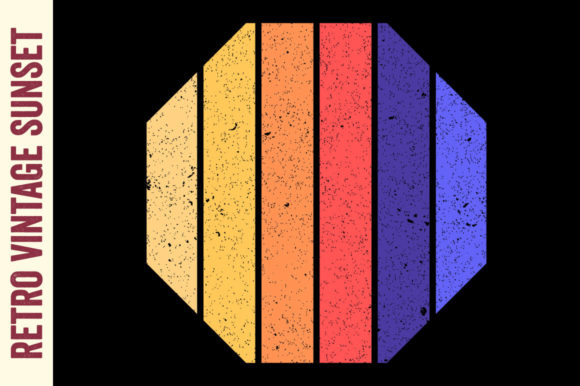
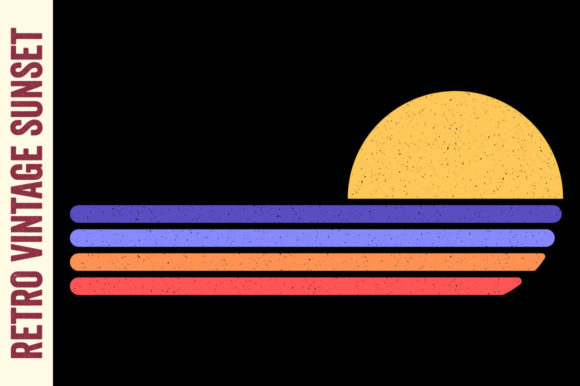
The Retro Vintage Sunset Summer 80s, 70s design immediately evokes a sense of nostalgia. It’s a bold, colorful composition that captures the essence of summer with its warm hues, soft gradients, and vintage aesthetic. The layout feels balanced, with a central sunset image that’s framed by subtle geometric shapes, giving it a retro feel without being overwhelming.
This design would naturally fit into projects that aim to capture a laid-back, summery vibe—think beach-themed tote bags, sweatshirts, or even baby onesies with a whimsical twist. Its visual personality makes it ideal for both personal and commercial use, especially if you're targeting customers who appreciate vintage-inspired art.
Real-World Embroidery Performance
I tested the Retro Vintage Sunset Summer 80s, 70s design on several fabrics, including cotton, polyester, and a lightweight denim. On standard fabrics, the design stitched out cleanly, with clear satin stitches and well-defined fill areas. The stitch density is moderate, which means it works well on most hoop sizes but may require careful placement on smaller hoops.
One thing to note is that this design includes intricate details, such as small lines and subtle shading. These elements can be challenging when working with textured or stretchy fabrics. For example, when I tried it on a thin knit fabric, the stitching became slightly distorted due to the fabric's elasticity. This suggests that the design might not be ideal for items like baby clothes or undergarments unless proper stabilizer is used.
On darker fabrics, the design maintains good visibility, but the contrast between the thread colors and the background should be carefully considered. If you're using a light-colored thread on a dark background, the design will stand out more. Conversely, on lighter fabrics, a darker thread color might be preferable for better definition.
Where to Use It—and Where to Be Cautious
The Retro Vintage Sunset Summer 80s, 70s design is best suited for flat, smooth surfaces like tote bags, sweatshirts, and aprons. It also works well as an embroidered patch or a decorative element on pillow covers and tea towels. However, there are a few scenarios where caution is needed:
- Small hoop sizes: The design’s size and detail may not translate well on smaller hoops, leading to incomplete stitching or misalignment.
- Textured or stretchy fabrics: The design may lose clarity or distort when stitched onto these materials.
- Curved surfaces: Applying it to caps or hats could result in uneven stitching due to the shape of the surface.
- Dense stitch areas: While the design has a good balance of fill and running stitches, overly dense areas might cause puckering or fabric distortion.
If you're planning to use this design for a personalized gift or a small shop product, it’s important to test it first. A printable mockup or a digital preview can help you visualize how it will look before committing to the final project.
Impact on Visual Appeal and Customer Perception
The Retro Vintage Sunset Summer 80s, 70s design adds a strong visual punch to any finished product. It’s eye-catching and instantly recognizable, which can help boost buyer engagement, especially on platforms like Etsy or at craft fairs. Customers often respond positively to nostalgic themes, making this design a solid choice for seasonal or holiday items.
From a professional standpoint, the design enhances the perceived value of handmade products. When used correctly, it can elevate the quality of a custom apparel item or a boutique-branded accessory. However, poor execution—such as incorrect thread colors or improper stabilization—can lead to a less-than-desirable finished product, which could affect customer trust and repeat business.
Practical Designer Notes
Before using the Retro Vintage Sunset Summer 80s, 70s design in a real project, here are a few key steps I recommend:
- Test on scrap fabric: Always try the design on a similar fabric type to see how it stitches out.
- Check thread color contrast: Ensure the thread color complements the fabric and highlights the design’s details.
- Review stitch density: Adjust settings if necessary to avoid puckering or distortion.
- Confirm hoop size: Make sure the design fits within your available hoop size for accurate stitching.
- Inspect small details: Pay attention to corners and fine lines to ensure they come out clearly.
- Test in black and white: This helps assess how the design looks without color, which is useful for mockups.
- Compare on light and dark backgrounds: This ensures the design is versatile and adaptable to different fabric types.
- Use proper stabilizer: Especially important for delicate or stretchy fabrics.
- Verify licensing: Confirm whether the design is suitable for commercial use or if additional permissions are required.
These steps are essential for maintaining the quality and professionalism of your embroidery projects, whether you’re an Etsy seller, a craft business owner, or a digital product seller.
Final Thoughts: A Design Worth Considering
The Retro Vintage Sunset Summer 80s, 70s design is a versatile and visually appealing option for a wide range of embroidery projects. Its nostalgic charm and clean layout make it suitable for both personal and commercial use, provided it’s handled with care. As with any machine embroidery design, understanding its strengths and limitations is key to achieving the best results.
If you're looking for a design that brings a touch of vintage flair to your custom apparel, handmade gifts, or digital product previews, the Retro Vintage Sunset Summer 80s, 70s is definitely worth exploring. Just remember to test it thoroughly and consider the specific needs of your project before moving forward.